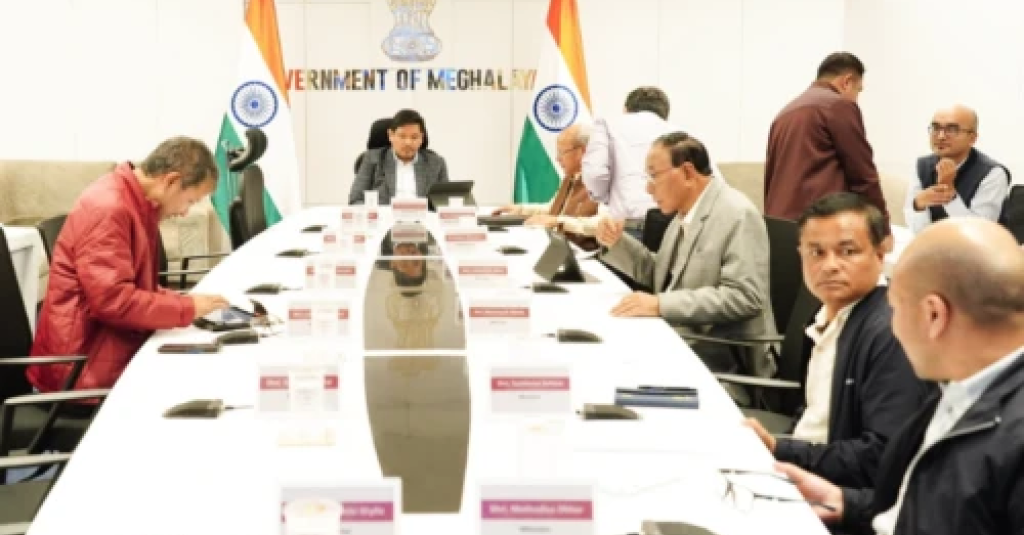
Khasi and Garo Declared Official State Languages of Meghalaya
On April 16, 2026, the Meghalaya state cabinet took a historic step toward linguistic empowerment by announcing the indigenous Khasi and Garo languages as the official languages of the state. This move adds these native tongues to the existing official status of English, which has served as the primary language of administration since the state's formation in 1972.
The decision is a direct response to a long-standing socio-political demand from the state's two largest tribal groups. For decades, local activists and citizens have argued that conducting all official business—from government orders to legislative debates—solely in English created a "linguistic divide" between the administration and the rural population. By granting official status to Khasi and Garo, the state government aims to bridge this gap, enhance administrative efficiency at the grassroots level, and preserve the rich cultural heritage of the region.
Furthermore, this policy shift serves as a strategic move to strengthen Meghalaya’s persistent demand for the inclusion of these languages in the Eighth Schedule of the Indian Constitution. Currently, while English is the de facto language for governance, the lack of native language recognition in the Constitution has been a point of contention regarding the identity and rights of the tribal populations in Northeast India.