Delimitation Bill 2026: Bridging Gender Gaps Amidst North-South Divide
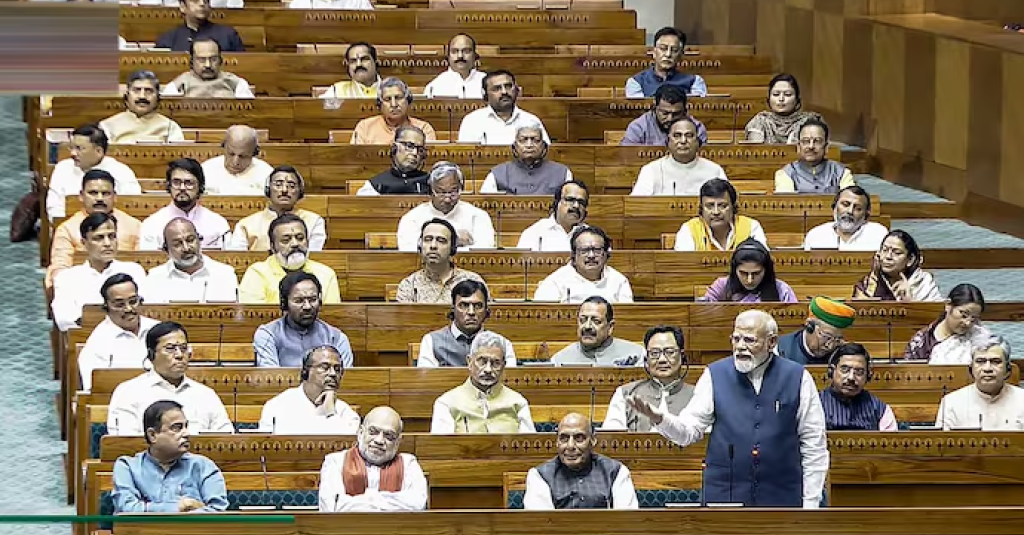
The legislative landscape of India witnessed a historic collapse on April 17, 2026, as the Constitution (131st Amendment) Bill—the linchpin for parliamentary seat redistribution—was defeated in the Lok Sabha. Failing to secure the mandatory two-thirds "Special Majority" under Article 368, the Bill's fall led to the immediate withdrawal of the Delimitation Bill, 2026. This legislative package was designed to expand the Lok Sabha from 543 to 850 seats using 2011 Census data as an interim benchmark. The defeat effectively stalls the 33% Women’s Reservation (Nari Shakti Vandan Adhiniyam), which is legally linked to the completion of a fresh delimitation exercise, pushing its implementation past the 2029 General Elections and deep into the next decade.
The bill's defeat highlights the escalating tension regarding Cooperative Federalism and the demographic "North-South Divide." Opposing parties from Southern states successfully argued that using population-based redistribution would unfairly penalize states that achieved development goals and population control, potentially shifting an overwhelming share of political power to high-growth Northern states like Uttar Pradesh and Bihar. With the 1971 seat-freeze set to expire in 2026, the government now faces a constitutional vacuum, leaving the democratic representation of 1.4 billion people tied to 55-year-old data until the results of the 2027 Census are finalized.