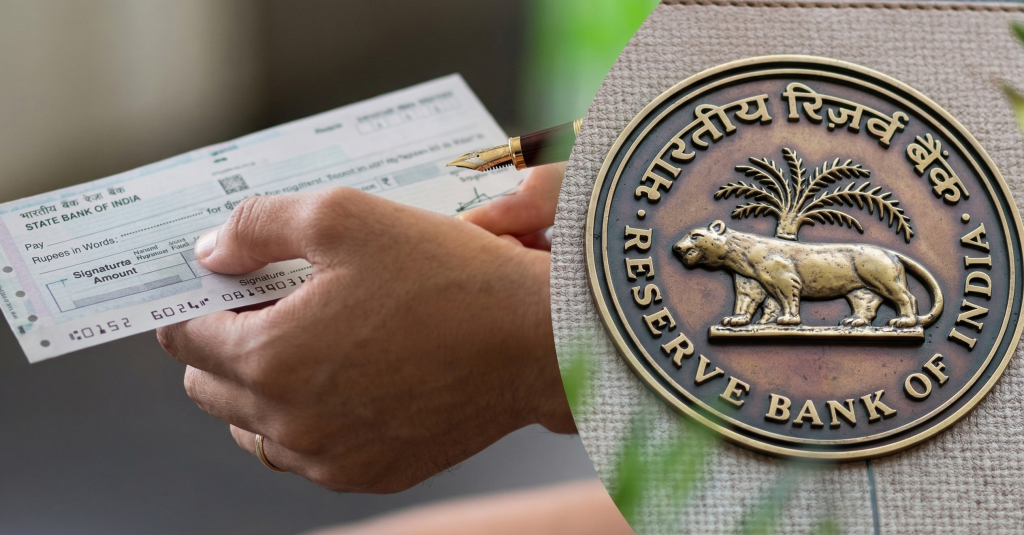
The introduction of e-cheques represents a pivotal shift in India's "Less-Cash" journey. While platforms like UPI and RTGS have dominated retail and institutional transfers, a significant portion of business-to-business (B2B) trade still relies on cheques for their legal enforceability and post-dated capabilities. The e-cheque fills this gap by acting as a digital version of a paper cheque, created and signed online using secure digital signatures. Unlike the current Cheque Truncation System (CTS), which still requires a physical leaf to be generated first, e-cheques are "digital-native." This eliminates the logistical hurdles of physical storage, transport, and the risk of physical tampering or loss in transit.
From a regulatory perspective, this move streamlines the dispute resolution process. E-cheques carry metadata that provides an immutable audit trail, making it easier for banks and legal authorities to verify authenticity. For aspirants, it is crucial to understand that this isn't just a tech update but a legal evolution. By maintaining the features of traditional cheques—such as the ability to be stopped, post-dated, or used as legal evidence in case of a bounce—the RBI ensures that the trust associated with physical instruments remains intact while the "friction" of paper is removed. This synergy of speed, security, and statutory backing positions the e-cheque as a cornerstone for future digital trade finance in India.