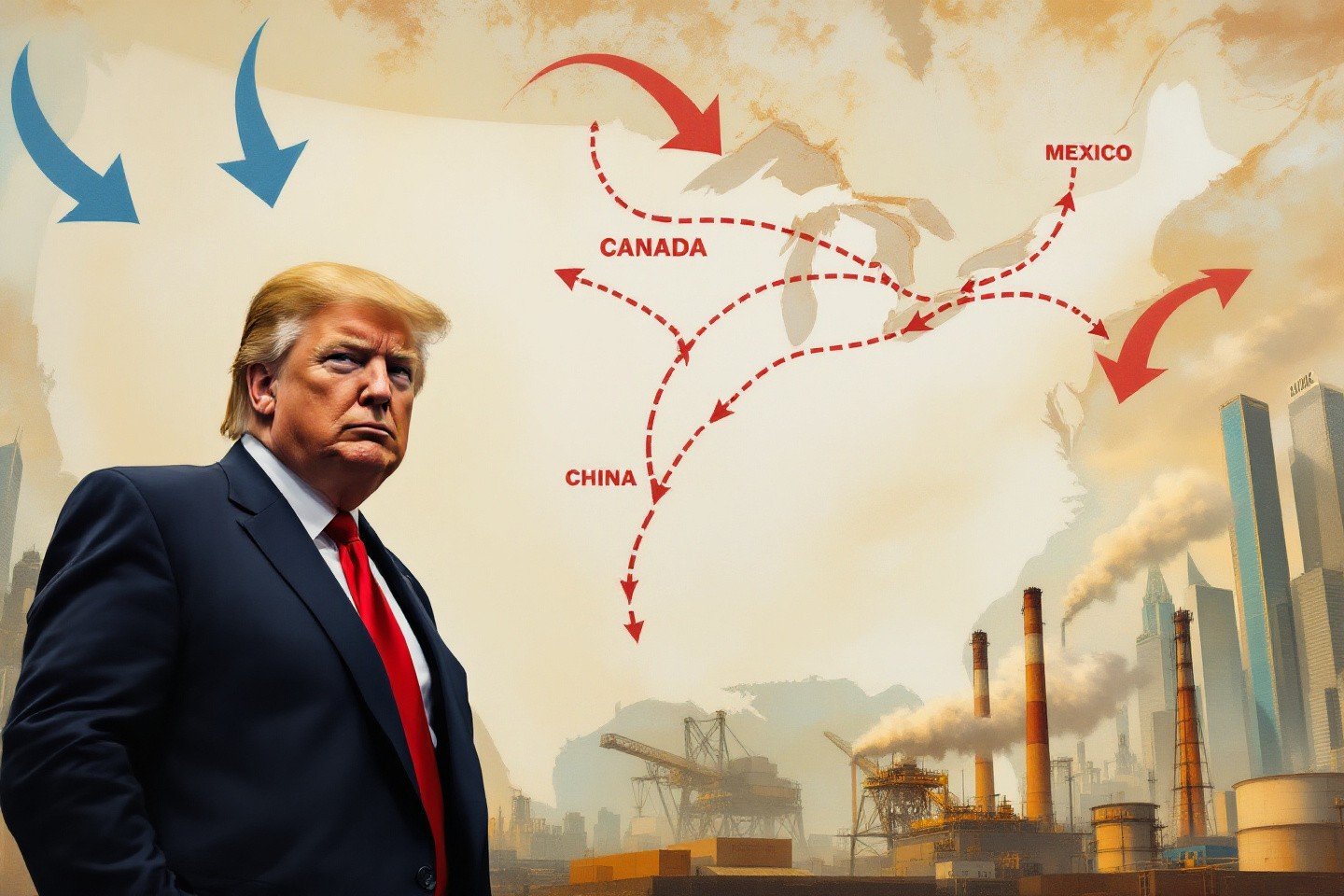
Global Impacts of Trump\'s Tariff Tactics: Explained
Editorial Analysis
The Art of the Deal:
Realigning India-US Trade in 2026
The global trade landscape in early 2026 has been defined by a significant recalibration of the relationship between the United States and India. Following a period of heightened tensions characterized by the threat of 50% reciprocal tariffs, the recent announcement of a comprehensive trade deal has signaled a tactical de-escalation. This agreement, which reduces US tariffs on Indian goods from 50% to 18%, marks a transformative moment for Indian exporters, particularly in sectors such as textiles, pharmaceuticals, and engineering.
The deal is viewed as a victory for "bilateralism" in an era of fragmented global trade. By securing an 18% tariff rate—lower than that imposed on regional competitors like Vietnam, Bangladesh, and Pakistan—India has gained a critical competitive edge in the American market. Official responses from the Ministry of Commerce emphasize that this "favorable treatment" is a recognition of India's status as a strategic partner rather than just a trade competitor.
A pivotal component of this trade realignment involves India's energy and defense procurement strategies. The US administration has linked tariff reductions to India’s energy dependencies, particularly concerning Russian oil. While the Kremlin has expressed skepticism regarding claims of a shift, New Delhi has maintained its policy of strategic autonomy, balancing its traditional defense ties with its growing economic integration with the West. This complex "triangular diplomacy" will define the geopolitical stability of the Indo-Pacific for the remainder of the decade.