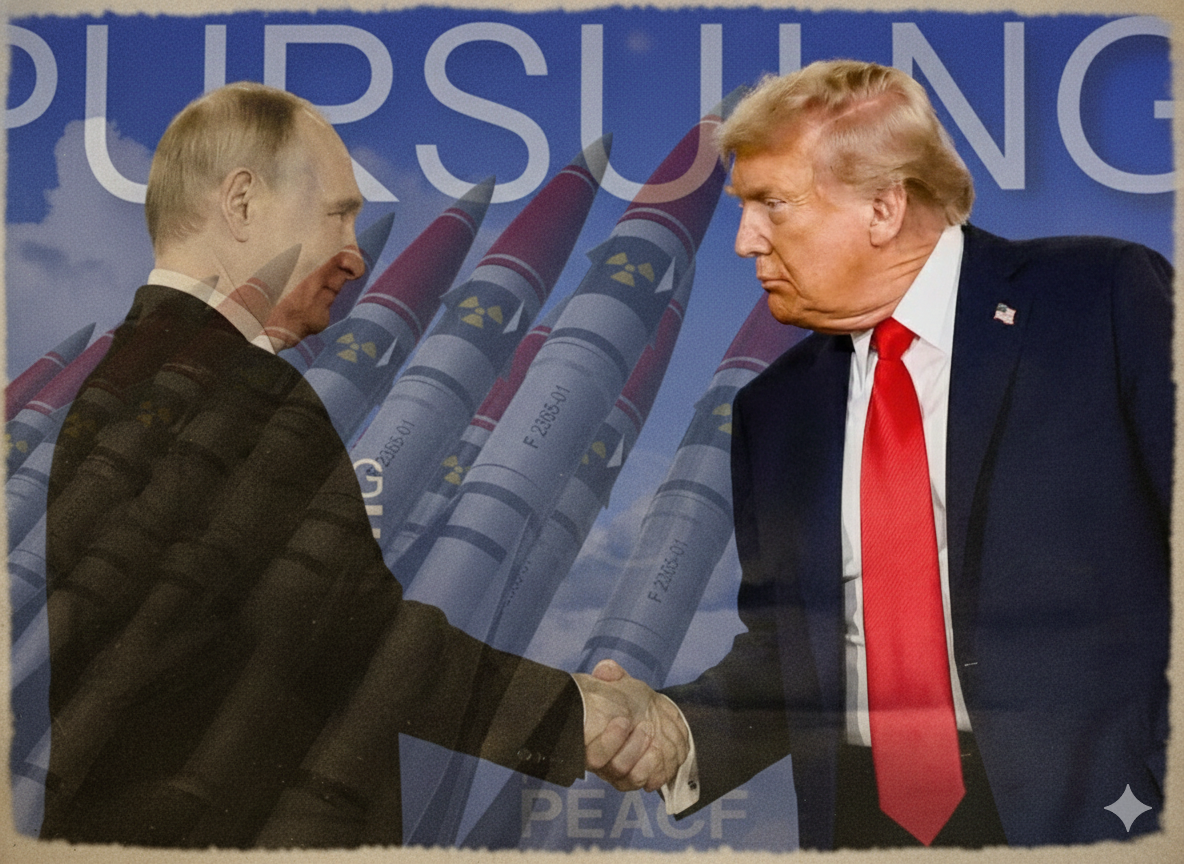
Nuclear Uncertainty Looms as US-Russia New Start Treaty Expires: Explained
Editorial Analysis
The expiration of the New START (Strategic Arms Reduction Treaty) in early February 2026 marks a watershed moment in global nuclear governance. As the last remaining major nuclear arms control agreement between the United States and Russia, its lapse signifies the end of nearly half a century of structured transparency and predictable deterrence between the world's two largest nuclear powers. The absence of this treaty creates a regulatory vacuum that potentially triggers a new phase of strategic instability, characterized by the lack of verified limits on deployed long-range nuclear warheads.
The New START Treaty restricted both nations to no more than 1,550 deployed strategic nuclear warheads and 700 deployed heavy bombers and missiles. Beyond these numerical caps, the treaty established a robust inspection regime, allowing for up to 18 on-site inspections per year and regular data exchanges. These mechanisms provided a critical layer of "strategic insurance," ensuring that neither side could miscalculate the other's capabilities or intentions. The expiration removes these verification safeguards, returning the global security environment to a state of high-alert ambiguity.
The lapse of New START occurs against a backdrop of deteriorating diplomatic relations and the modernization of nuclear arsenals by other major powers, notably China. Without the "normative anchor" of the U.S.-Russia agreement, the broader non-proliferation framework, including the NPT (Non-Proliferation Treaty), faces unprecedented pressure. International observers warn that the expiration could incentivize a vertical arms race, where technological advancements in delivery systems—such as hypersonic glide vehicles—bypass traditional treaty definitions, further complicating the prospects for future disarmament.