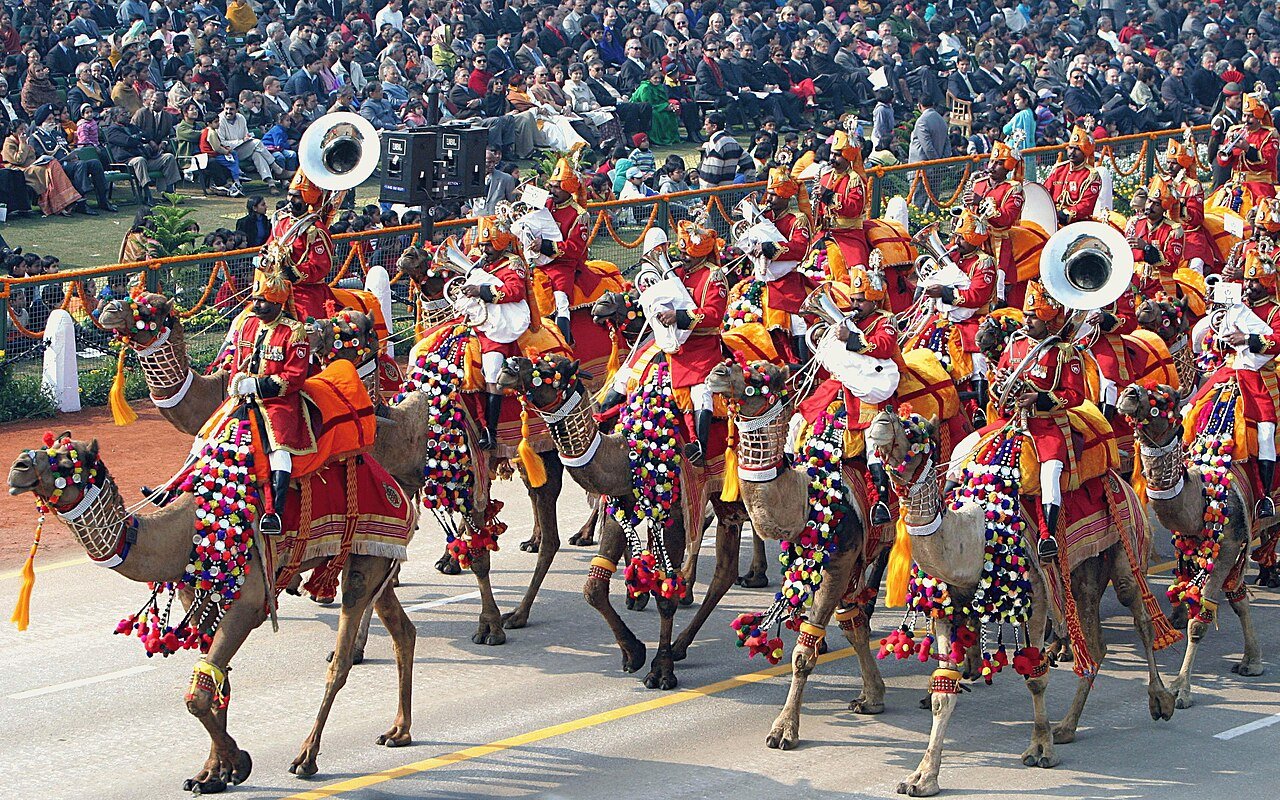
India celebrated its 77th Republic Day on January 26, 2026, with a spectacular display of military prowess and cultural heritage at Kartavya Path. The celebrations, themed around "Viksit Bharat" (Developed India) and "Bharat: Loktantra ki Matruka" (India: Mother of Democracy), reflected the nation's resolve to become a developed economy by 2047. The parade commenced with the unfurling of the National Flag by the President of India, followed by a 21-gun salute.
Nari Shakti and Cultural Vibrancy
A significant highlight of the 2026 parade was the continued emphasis on "Nari Shakti" (Women Power), with several all-women contingents from the Armed Forces and Paramilitary forces leading the march. The cultural segment featured tableaus from various States and Union Territories, showcasing themes of digital transformation, green energy, and the preservation of indigenous traditions. The "Bharat Parv" festival, held in conjunction with the celebrations, further highlighted the diversity of Indian handloom and cuisine.
Technological and Military Prowess
The military segment of the parade showcased India's indigenous defense capabilities, including the Tejas fighter aircraft, the Arjun tank, and advanced missile systems. The flypast, featuring over 50 aircraft from the Indian Air Force, Navy, and Army, concluded the event with a breathtaking display of maneuvers. These demonstrations underscored India's growing self-reliance in defense manufacturing and its readiness to address modern security challenges.
India Celebrates 77th Republic Day with Global Dignitaries
The 77th Republic Day celebrations are trending in late January 2026 as India hosted a grand ceremony at Kartavya Path to commemorate the adoption of its Constitution. The event is in the news for its strong focus on "Viksit Bharat," highlighting the government's roadmap for a developed India.
Official PIB releases emphasize that the 2026 parade saw a significant presence of international dignitaries, signaling India’s rising influence on the global stage. The celebrations also included the "Bharat Parv" 2026, which showcased the spirit of Jan Bhagidari (People's Participation) through interactive exhibits on the "Digital India" and "Skill India" missions. For UPSC aspirants, this year’s themes are critical for understanding the intersection of constitutional values and modern national objectives.
The Significance of January 26
Republic Day commemorates the date in 1950 when the Constitution of India came into effect, replacing the Government of India Act (1935) as the governing document of India. While India gained independence on August 15, 1947, it remained a constitutional monarchy until the adoption of the Constitution made it a sovereign democratic republic. The date January 26 was chosen because it was on this day in 1930 that the Declaration of Indian Independence (Purna Swaraj) was proclaimed by the Indian National Congress.
From Military Display to 'Jan Bhagidari'
Historically, the Republic Day parade served primarily as a demonstration of military strength. However, in recent decades, and especially by 2026, the event has evolved into a comprehensive celebration of India's cultural diversity and social progress. The inclusion of the "Beating Retreat" ceremony on January 29, which features traditional Indian tunes and drone shows, marks the formal end of the celebrations. This progression reflects the nation's transition from a post-colonial state to a confident global power, balancing its civilizational heritage with its technological aspirations.