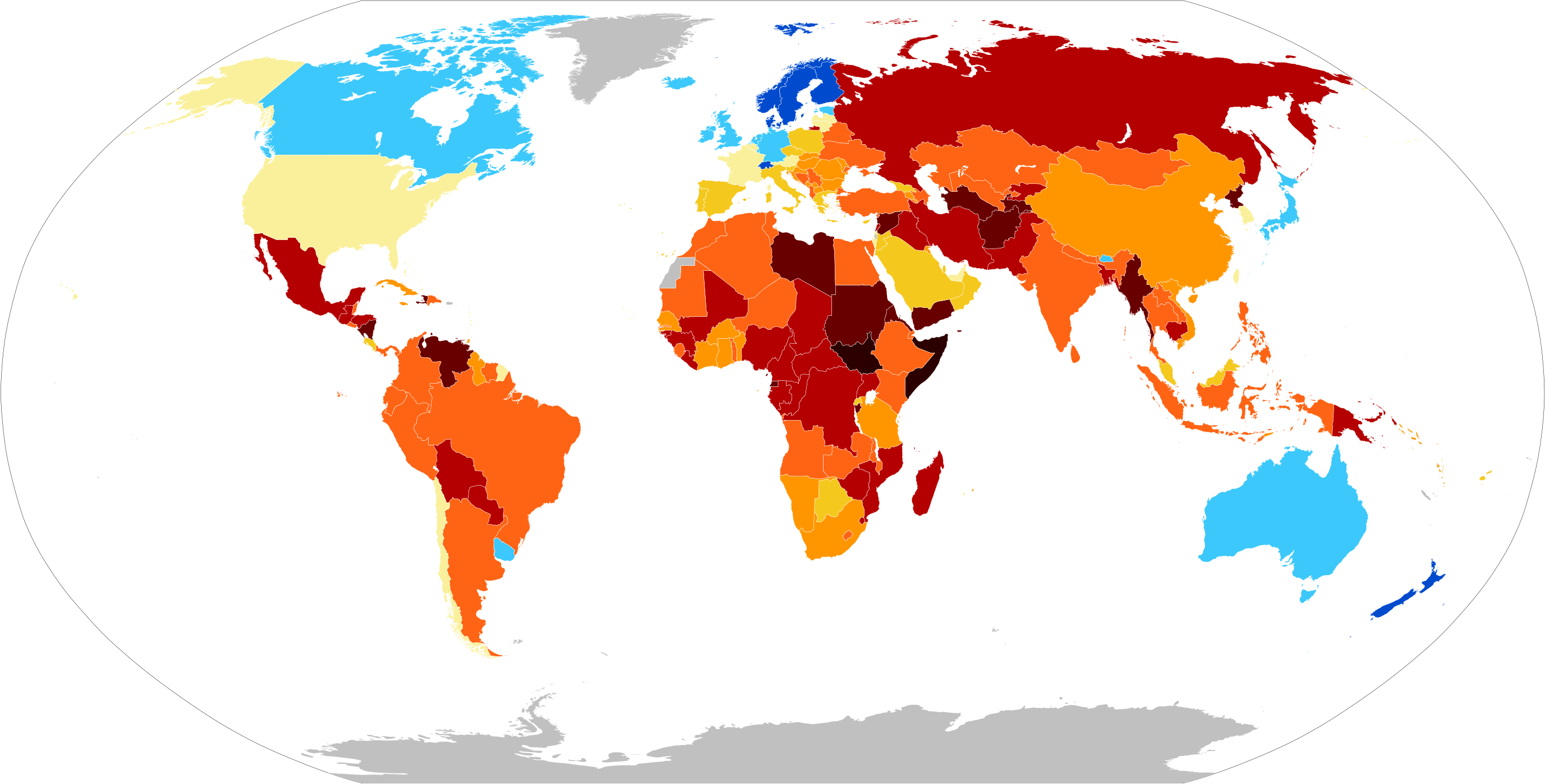
The 2025 Corruption Perception Index (CPI), published in February 2026, highlights a stagnation in global anti-corruption efforts. Scoring 180 countries on a scale of 0 (highly corrupt) to 100 (very clean), the report reveals that over two-thirds of nations score below 50. This year’s index emphasizes the link between judicial independence and public integrity, noting that weakened democratic institutions have directly facilitated the rise of administrative bribery and high-level political corruption worldwide.
The 2025 CPI findings serve as a stark reminder that corruption is not merely a financial leak but a systemic failure of justice. Globally, the average score remains stuck at 43 for the twelfth consecutive year. The report indicates a "polycrisis" where conflict and corruption feed into each other; countries with the lowest scores are almost exclusively those experiencing civil unrest or authoritarian shifts. For India, the marginal movement in rank suggests that while digital governance and direct benefit transfers have reduced "retail corruption," grand corruption and the lack of transparency in political funding remain significant hurdles. To improve global standing, nations must prioritize the protection of whistleblowers and ensure that anti-corruption agencies operate without executive interference. Without these structural reforms, the quest for a "clean" economy remains an elusive target for most developing nations.
The Index: Established in 1995 by Transparency International (HQ: Berlin, Germany), the CPI is the most widely used global corruption ranking. It aggregates data from 13 external sources, including the World Bank and World Economic Forum.
2025 Performance:
• Top Performers: Denmark (constantly 1st), Finland, and New Zealand.
• Bottom Performers: Somalia, Venezuela, and Syria remain at the lowest rungs.
• India's Status: India ranked 91st (provisional data for 2025 report), showing a slight decline from previous years.
• The Neighbours: Bhutan remains the cleanest in South Asia, while Pakistan and Afghanistan continue to struggle with lower-tier rankings.
Facts to Remember:
1. UN Convention against Corruption (UNCAC) is the only legally binding universal anti-corruption instrument.
2. International Anti-Corruption Day is observed on December 9th.
1. Which organization is responsible for publishing the annual Corruption Perception Index (CPI)?
2. In the CPI scoring system, what does a score of '100' represent?
3. Where is the headquarters of Transparency International located?
4. Which country has consistently topped the CPI as the least corrupt nation in recent years?
5. Which among the following neighbours of India usually performs best on the CPI?
6. On which date is the International Anti-Corruption Day observed globally?
7. The CPI 2025 report evaluated how many countries and territories?
8. What was the global average score of the CPI in the 2025 report?
9. Which of the following is India’s primary law to combat corruption in public offices?
10. Who was the founder of Transparency International?
11. 'Whistleblowing' refers to which of the following actions?
12. Which Indian state was the first to establish the institution of 'Lokayukta'?
13. The UNCAC convention was adopted by the UN General Assembly in which year?
14. Corruption in India is often associated with 'Red Tapism'. What does this term mean?
15. Which index measures the level of corruption in the private sector specifically?