Bangladesh Election 2026: The BNP Landslide and the New Geopolitical Reset in South Asia
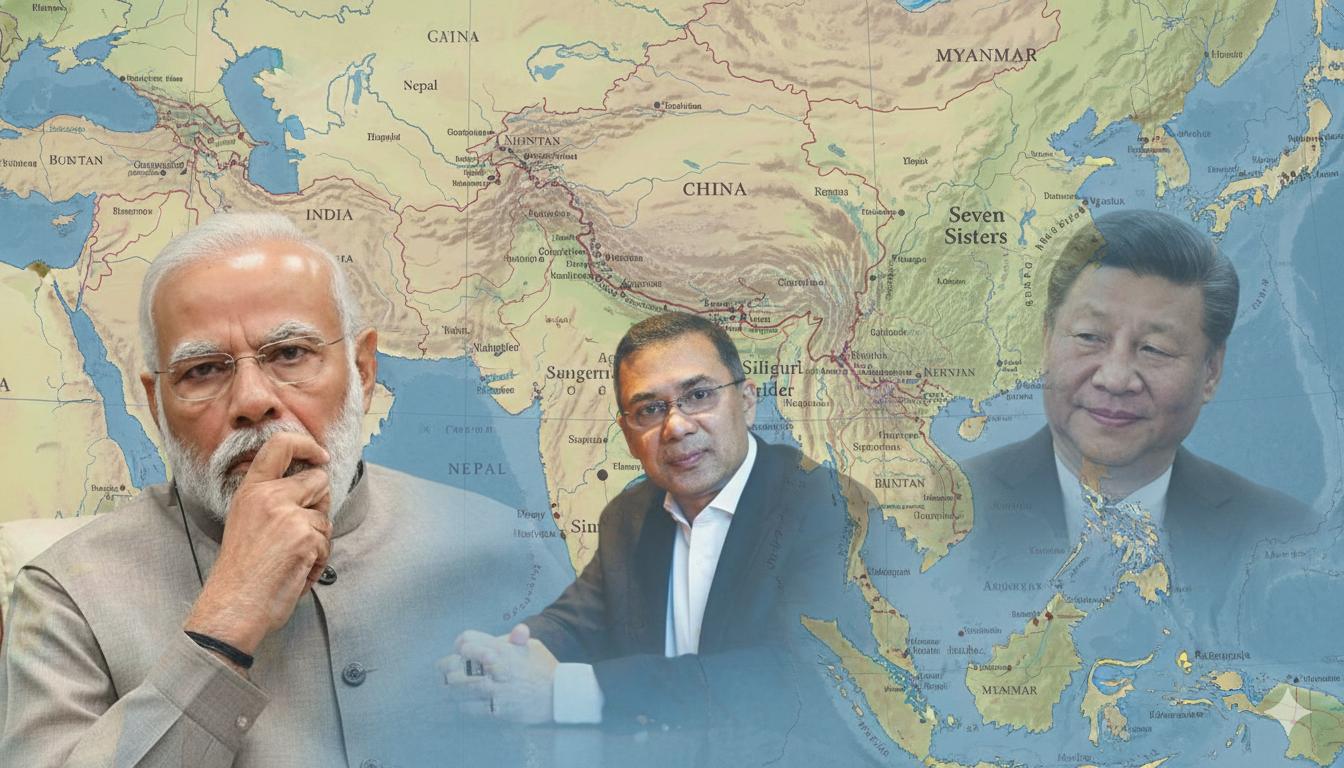
The landslide victory of the Bangladesh Nationalist Party (BNP) in the 2026 elections marks the end of an era and the beginning of a complex strategic recalibration. For over 15 years, Dhaka's foreign policy was seen through the prism of a "special relationship" with India. Now, with a new mandate, the BNP leadership faces the monumental task of balancing national sovereignty with the conflicting interests of global superpowers.
Impact on India: The End of the "Golden Chapter"?
New Delhi has long viewed the Awami League as its most reliable partner in the neighborhood. The BNP victory brings back memories of the 2001-2006 period, characterized by strained ties and security concerns. However, the 2026 geopolitical reality is different:
- Transit and Connectivity: India’s access to its North-Eastern states via Bangladesh remains a critical interest. The BNP has hinted at a "reciprocal" approach to transit rights, which may require New Delhi to offer more concessions on water-sharing and border management.
- Security Concerns: India will be closely monitoring the new administration's stance on insurgent groups. The BNP’s ability to prevent anti-India elements from using Bangladeshi soil will be the litmus test for bilateral relations.
- The Adani Power Factor: Existing energy agreements signed under the previous regime are likely to face parliamentary scrutiny, potentially affecting cross-border power projects.
The China-Pakistan Axis: A Renewed Influence?
Historically, the BNP has maintained a policy of "diversified engagement," which often meant closer ties with Beijing and Islamabad to balance New Delhi's influence:
- BRI Investments: China is expected to find a more receptive audience for the Belt and Road Initiative (BRI). Beijing’s "no-strings-attached" infrastructure financing remains attractive to a BNP administration looking to jumpstart the economy.
- Defense Cooperation: Bangladesh is already a major buyer of Chinese military hardware. We may see a deepening of naval and air force ties under the new regime.
- Regional Bloc Dynamics: A BNP-led Bangladesh might push for the rejuvenation of SAARC, a platform that has been largely dormant due to India-Pakistan tensions, aiming to project Dhaka as a neutral regional moderator.
The Western Perspective: US and the "Democratic Dividend"
The United States has been vocal about the need for "free and fair" elections in Bangladesh for years. Washington views the BNP’s victory as a validation of its pro-democracy stance in the Indo-Pacific:
- Human Rights and Labor: With a more pro-Western outlook, the BNP may find it easier to navigate GSP (Generalized System of Preferences) status and labor rights issues that plagued the previous administration.
- Indo-Pacific Strategy: The US hopes to integrate Bangladesh more deeply into its Indo-Pacific Strategy (IPS) to counter Chinese naval expansion in the Bay of Bengal.
- Geopolitical Neutrality: The BNP faces the "Maldives Challenge"—the pressure to pick a side in the US-China rivalry. Dhaka's goal will be to attract Western investment without alienating Beijing.
Conclusion: A Multi-Polar Balancing Act
The 2026 BNP victory does not necessarily mean a complete break from India, nor does it mean a total tilt toward China. It represents a shift toward a "Bangladesh First" policy that will demand more competitive diplomacy from regional players. For the world, a stable and democratic Bangladesh is a linchpin for security in the Indian Ocean.
Master Geopolitics for CUET with cuet.pro
Current affairs shifts like the Bangladesh elections are the backbone of the CUET General Awareness section. At cuet.pro, our mentors from DU, BHU, and JNU provide the high-yield analysis you need to lead the 2026 merit list.
Join cuet.pro Today